What "chronic" means here
Chronic diarrhea in a small breed dog is generally defined as loose stool for more than 3-4 weeks, or repeated episodes that come back regularly after brief improvement. It's distinct from acute diarrhea (a few days of soft stool) and needs a different approach.
Common causes in small breeds:
- Food sensitivity or intolerance
- Inflammatory bowel disease
- Exocrine pancreatic insufficiency
- Chronic parasites or low-grade GI infection
- Dietary indiscretion combined with sensitive gut
- Underlying systemic disease (kidney, liver, endocrine)
- Stress-related GI sensitivity in highly anxious dogs
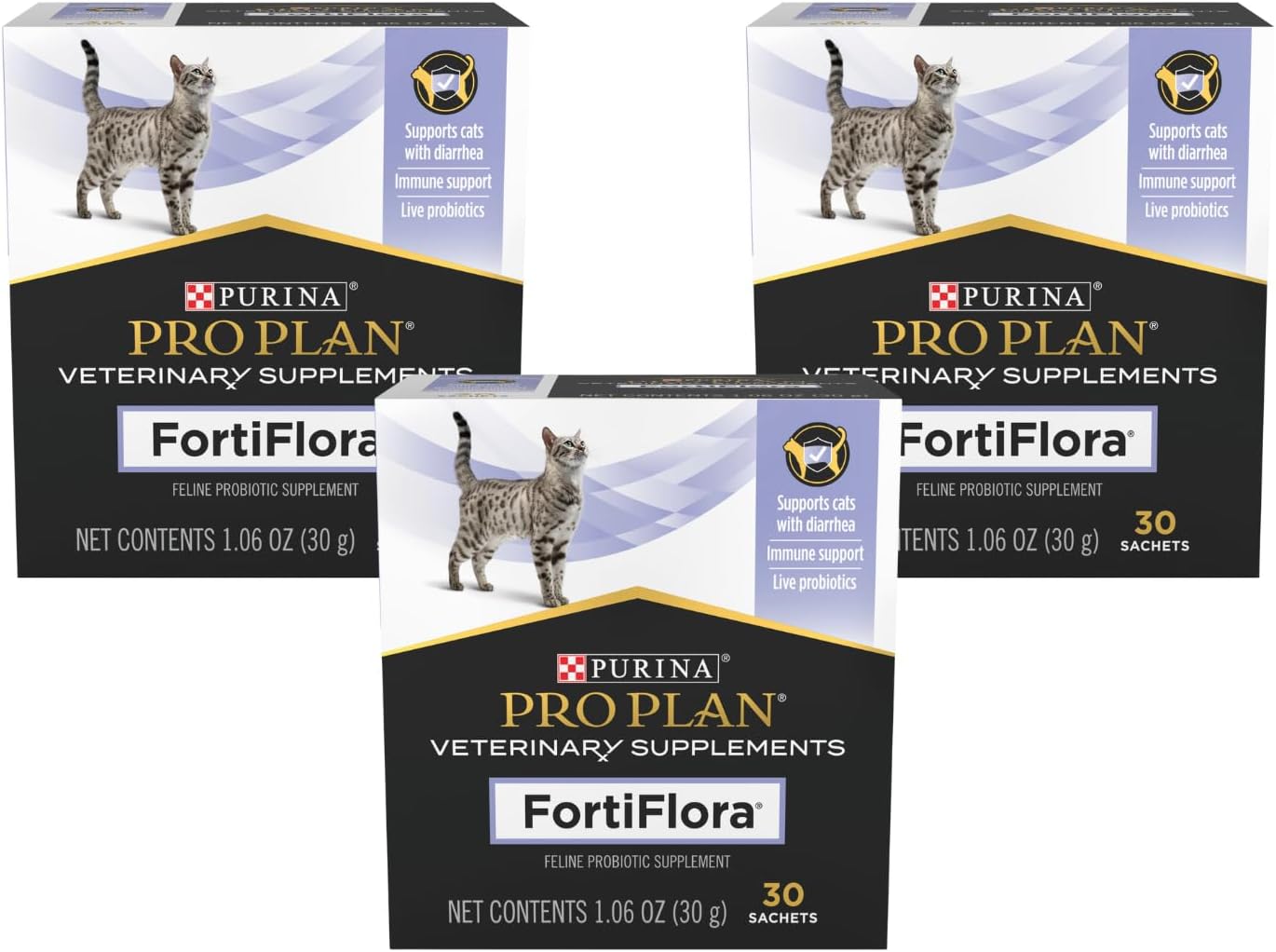
FortiFlora supports the gut throughout management of chronic diarrhea, but rarely fixes it alone. The cause matters more than the supplement choice.
Where FortiFlora fits in chronic management
A reasonable role for FortiFlora in chronic small breed diarrhea:
As a supportive daily supplement during the longer process of diagnosis and management. Helps stabilize gut symptoms while you work through testing.
During flare-ups when the chronic baseline gets worse. The fast colonization profile helps the worst episodes resolve quicker.
Post-treatment recovery when antibiotics or other treatments have disrupted the gut further.
Ongoing maintenance in some dogs whose chronic diarrhea responds partially to probiotic support.
What FortiFlora is not: a substitute for diagnosis. Chronic diarrhea needs a workup.
The realistic diagnostic process
For a small breed with chronic diarrhea, expect a step-by-step approach:
Step 1: Fecal panel for parasites, including giardia testing specifically (commonly missed on basic panels).
Step 2: Diet trial. Either elimination diet with novel protein or hydrolyzed protein formula. Run for 6-8 weeks before evaluating.
Step 3: Bloodwork if the diet trial doesn't resolve symptoms. Check for systemic causes, pancreatic enzyme levels, basic organ function.
Step 4: Imaging or endoscopy in cases that don't respond to the above. This is where IBD diagnosis often happens.
FortiFlora can be running throughout this process for symptom support. It doesn't interfere with diagnostic testing.
Why small breeds are different
A few patterns specific to small dogs with chronic diarrhea:
Smaller gut volume means problems are noticed faster. A 7 lb dog with mild loose stool gets visible attention; the same percentage of loose stool in a 70 lb dog might pass without notice.
Higher protein needs per kg. Small breeds need denser nutrition. Food sensitivities show up faster and more dramatically.
More anxious temperament in many small breeds. Stress-related GI sensitivity is common.
Dental disease is more prevalent. Often goes undiagnosed but affects food chewing and digestion.
Higher relative dose of any supplement. Including FortiFlora — small dogs get a relatively larger bacterial load per kg, which sometimes complicates the picture.
Daily FortiFlora for chronic small breeds
For dogs where probiotic support is part of the long-term plan:
Continuous daily use is safe. No known issues with long-term FortiFlora supplementation.
Half-dose works for many small dogs. Splitting the packet across two meals often gives similar benefit with fewer side effects.
Watch for tolerance changes. Some dogs respond well at the start and lose effect over time. If your dog's symptoms come back after months of stable improvement, try stopping for 2 weeks then restarting.
Adjust based on flares. During flare-ups, go to full-dose for 7-10 days, then back to maintenance dose.
What else matters for management
A few interventions that often help chronic small breed diarrhea more than the probiotic alone:
Diet, diet, diet. Most chronic GI cases in small dogs improve significantly with the right diet. This usually means working with your vet through a proper elimination trial, not just switching brands.
Smaller, more frequent meals. Three or four small meals daily often produces firmer stool than two large ones.
Consistent food. No treats outside the elimination diet during testing. No table food. No flavored medications if avoidable.
Hydration. Small dogs dehydrate fast during diarrhea episodes. Keep water available constantly.
Reduce stress. Predictable routines, calm household environment, less social demand on anxious dogs.
Address dental issues. A small dog who can't chew well will have GI consequences. Annual dental cleanings matter.
When supplements aren't the answer
If you've been giving FortiFlora consistently for 6+ weeks with only partial improvement, consider that the probiotic isn't the right primary tool for your dog's situation. Possibilities:
- The underlying cause (food, IBD, EPI, parasites) hasn't been addressed
- A different probiotic profile would work better
- The dog needs more than probiotic support (medication, prescription diet, more thorough workup)
- The diarrhea is masking something else (often weight loss is the giveaway)
Don't stay on a supplement-only approach for chronic problems. Push your vet for deeper evaluation.
Realistic expectations for chronic management
For most chronic diarrhea cases in small breeds:
- Complete cure is uncommon without addressing root causes
- Significant reduction in symptoms is realistic with appropriate management
- Daily management may be needed long-term in many cases
- FortiFlora is one tool among several that need to work together
- Costs add up — chronic management may run $50-100/month between food, supplements, and periodic vet visits
The goal isn't usually "no more diarrhea forever." It's stable comfortable digestion most of the time, with occasional manageable flares.
Bottom line
For chronic diarrhea in small breeds, FortiFlora is supportive but rarely the complete answer. Use it alongside proper diagnosis and management — appropriate diet, vet workup, environmental adjustments. After 6+ weeks of probiotic-only approach with limited improvement, push for deeper investigation. Some small dogs do well with daily FortiFlora as part of long-term management; others need different probiotic profiles or other interventions.
When to call your vet
- Chronic diarrhea that hasn't been properly diagnosed yet
- Weight loss alongside any GI symptoms
- New blood, mucus, or unusual color in stool
- Vomiting starting alongside chronic diarrhea
- Lethargy or behavior changes
- Lack of improvement after 6 weeks of supplement-based management
- Multiple medications without clear diagnosis
- Symptoms getting worse over time